
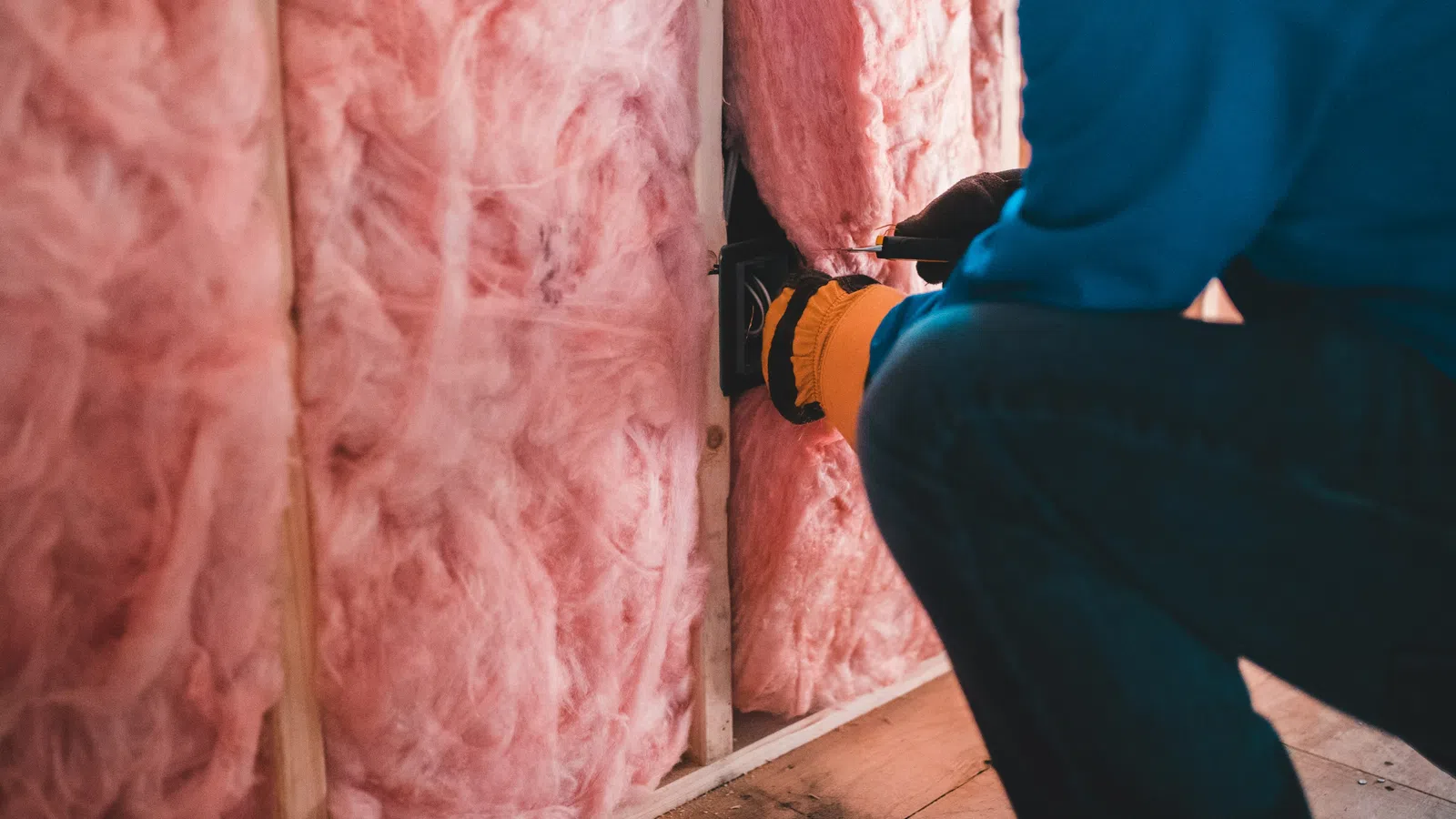
Installers locate the wall cavities, drill small
access holes from the outside (behind a strip of siding or in the mortar joints
on brick), inject slow-expanding foam until each cavity is full, then plug and
patch the holes and put the siding back. Most homes are finished in about a
day, with no interior demolition and very little disruption.
If you have been reading about injection foam insulation
for your Spokane home, you probably already know the big idea: it fills the
hollow spaces in your existing walls without tearing out drywall. What most
people want to know next is simpler. What actually happens on install day? Who
needs to be home? Will there be a mess?
This guide walks through the
injection foam insulation process from the first phone call to the final
walk-around, so nothing about the day catches you off guard. It is a good read
for October, too, since getting walls done before the first hard freeze means
you feel the difference all winter.
What happens before install day?
Everything starts with a free in-home estimate. This
step matters more than most people think, because it decides what goes into
your walls and how the crew plans the job.
During the visit, the estimator will:
●
Measure what you already have. That means
checking the walls and the attic for existing insulation, not guessing based on
the age of the house.
●
Take photos. You see what they found, in
person, instead of taking someone's word for it.
●
Look at your siding or brick. Lap siding,
wood, vinyl, and brick each get handled a little differently, and the crew
needs to know ahead of time.
●
Note anything unusual. Additions, knee
walls, fire blocking inside the walls, or an older section of the house built
differently than the rest.
You get an e-quote the same
day or within 24 hours. If you are collecting more than one quote, that is
completely fair. Just make sure every company answers the same questions: what
product they use, whether they measured your existing insulation, how they get
into the wall, and what cleanup looks like.
How should you get your home ready?
Very little prep is needed, since the work happens from
the outside. A few things help the day go smoothly:
1.
Clear a path along the exterior walls.
Move patio furniture, grills, planters, and anything leaning against the house.
2.
Trim back shrubs that are pressed right
up against the siding, if you can.
3.
Keep pets inside or away from the work area.
There will be ladders, hoses, and unfamiliar people around the house.
4.
Plan on vehicle access. The crew will
need to park close to the house, so leave room in the driveway or out front.
5.
Tell the office about anything inside the
walls you are unsure of, like a spot where you know an old vent or chimney
runs.
You do not need to move
furniture inside or cover anything up. Interior walls are never touched.
How is injection foam insulation installed, step by
step?
Here is how a typical injection foam insulation process
runs once the crew arrives. The details change a bit from house to house, but
the order stays the same.
|
Step |
What the crew does |
What you will notice |
|
1. Walk-around |
Reviews the plan with you and confirms which walls are
being filled |
A quick conversation, usually at the front door |
|
2. Find the cavities |
Locates the studs and the open space between them,
plus any blocking |
Crew members marking the siding or brick |
|
3. Open access |
Removes a strip of siding, or works in the mortar
joints on a brick home |
Some tapping and prying on the outside of the house |
|
4. Drill |
Drills small holes into each cavity |
Drill noise, about what you would expect from any
exterior project |
|
5. Inject |
Pumps foam into each cavity until it is full |
A hose running from the rig to the wall |
|
6. Plug and patch |
Plugs the holes, then patches mortar joints on brick
homes |
The wall starting to look normal again |
|
7. Replace siding |
Puts the siding strip back where it came from |
Your house looking the way it did that morning |
|
8. Clean up and review |
Clears the work area and walks the job with you |
A final look together before the crew leaves |
The foam goes in as a liquid
that expands gently to fill the cavity, working its way around wiring and
pipes, and it hardens within minutes. Because it fills the space instead of
sitting in it, it also slows the drafts that sneak through gaps in an older
wall.
What is different on a brick home?
On brick, there is no siding strip to remove. The crew
drills through the mortar joints instead of the brick itself, fills the cavity,
and then patches the joints. A good patch blends in with the existing mortar,
and it is worth asking to see photos of finished brick jobs when you get your
estimate.
Brick homes are common in
older Spokane neighborhoods like the South Hill and parts of north Spokane, and
many of them have little or nothing in the walls. They are often great
candidates.
How long does the injection foam process take?
Most installs take less than a day. A typical
single-story ranch is often wrapped up by afternoon. A larger two-story home,
or a job that also includes attic insulation or air sealing, can run longer,
and you will get a specific timeline with your quote.
Because nothing happens
inside, you can work from home, run errands, or just go about your day. Some
homeowners stay home for the morning walk-around and the final review, and that
is all.
Is there a mess inside the house?
No. The work stays on the
exterior, so there is no drywall dust, no plastic sheeting over your furniture,
and no repainting afterward. Outside, the crew cleans up the work area before
they leave. You may notice small patched spots on brick or faint marks on
siding up close, but from the street the house looks the same.
What happens after the crew leaves?
The difference usually shows up with the first cold
night. Rooms that used to feel chilly near the outside wall stay closer to the
thermostat setting. Your furnace should not have to work as hard to keep up.
That matters because walls are the biggest single source
of heat loss in most homes. By USA Insulation's estimate, about 35% of a home's
heat loss goes through the walls, more than through the attic, floor, or
windows. ENERGY STAR estimates that homeowners save an average of 15% on
heating and cooling costs by air sealing and adding insulation. Your own
results depend on your house, how you heat it, and what was in the walls to
start with.
What questions should you ask before you schedule?
Knowing the process makes it easier to compare quotes.
Ask each company:
●
What product do you use, and how is it installed
in my type of siding?
●
Did you measure what is in my walls now, and can
I see the photos?
●
How do you handle brick, additions, or walls
with blocking?
●
Will you be inside my house at all?
●
How long will my job take, and what does cleanup
include?
●
Do you offer financing if I want to spread out
the cost?
For more background, see Can You Add Insulation to Existing Walls Without Tearing
Down Drywall? and How Long Does It Take to Insulate a House?
Ready to see what is in your walls?
The injection foam
insulation process is simpler than most Spokane and Coeur d'Alene homeowners
expect: a morning walk-around, a day of work on the outside of the house, and
warmer rooms by the time the heating season really sets in. We have been doing
this for homes across Spokane, Spokane Valley, Coeur d'Alene, and Post Falls
since 2021, backed by a national brand that has been insulating homes since
1985.
Frequently asked questions
How is injection foam insulation installed, step by
step?
The crew finds the wall cavities, opens access from the
outside (a strip of siding or the mortar joints on brick), drills small holes,
and injects foam until each cavity is full. Then they plug and patch the holes,
replace the siding, and clean up. Most homes are done in about a day.
Do I need to be home during the install?
It helps to be there for the walk-around at the start
and the review at the end. In between, the work is all outside, so you can go
about your day. The crew does need to be able to reach every exterior wall
being filled.
Do the installers come inside?
No. Injection foam goes in from the outside of the
house, and interior walls are never touched. There is no drywall removal, no
dust inside, and no repainting.
Will I be able to see where the holes were?
On sided homes, the holes sit behind the siding strip
that gets put back, so they are hidden. On brick homes, the holes go in the
mortar joints and are patched to blend in. You may spot them up close, but not
from the street.
Can injection foam be installed in the fall or
winter?
Fall is one of the best times, because you get the
comfort benefit for the whole heating season. The office schedules around the
weather and will let you know if a forecast affects your install date.
How much does injection foam cost?
It depends on the size of
the house, the number of walls, the siding type, and access. The most accurate
number comes from a free in-home estimate. Financing is available if you would
rather spread out the cost.
Schedule your injection foam quote
Want to know exactly how the process would go at your
house? Book a free in-home estimate. We will measure the insulation already in
your walls and attic, take photos, and show you what we find. Your e-quote
arrives the same day or within 24 hours.
Schedule your injection foam quote or call 509-862-5655.