
A long gray stretch makes your house feel colder because the sun stops helping. During a valley inversion, Spokane can sit under low cloud for days while the cold stays put. Your walls, windows and attic never get a midday break, so every draft and thin spot in the insulation shows up, and the furnace runs longer to cover it.
If you have lived here through a few Novembers, you know the pattern. The fog sits over the river, the gray lid settles in from Spokane Valley out past Liberty Lake, and the high temperature barely moves from one day to the next. Older homes on the South Hill or in Coeur d'Alene's Garden District start to feel chilly in the same rooms every afternoon.
A gray week works like a stress test for your house, and it tells you a lot about where heat is leaving.
What is an inversion, and why does it hang around Spokane?
Normally the air gets cooler the higher you go. In a temperature inversion, that flips. Cold air settles into the low ground and a layer of warmer air sits on top of it like a lid, so the cold air has nowhere to go.
The Spokane area, with the river valley, the Spokane Valley floor and the Rathdrum Prairie toward Coeur d'Alene, is a natural place for cold air to pool. In late fall and winter, when the days are short and the sun is low, that trapped layer often brings several days of low cloud, little sun and steady cold.
Why does my house feel colder during a gray stretch than on a sunny day at the same temperature?
On a clear winter day, the sun is doing quiet work for you. Light comes through south and west windows and warms the floors and furniture. The roof and the sunny side of the house pick up a little warmth.
Take the sun away for a week and that help disappears. The house now depends entirely on the furnace, around the clock. In a drafty older home, the heat you pay for leaks out faster than the house can hold it.
There is a second reason you feel it more, and it has to do with your body more than the thermostat. You lose warmth to cold surfaces nearby, the same way you feel chill standing next to a cold window. When exterior walls, windows and ceilings stay cold all day, you are sitting next to cold surfaces all day. The air can read 68 on the thermostat and the room can still feel several degrees colder. That effect is strongest in homes with empty or thin wall insulation, because those walls run closest to the outdoor temperature.
Why does a drafty house feel worse when the weather is calm?
Inversion weather is often still. You might expect fewer drafts without wind, and on the windward side of the house that can be true. But warm air still rises, and that keeps the drafts going.
Heated air inside your home is lighter than the cold air outside. It rises and pushes out through gaps in the upper part of the house: around recessed lights, the attic hatch, plumbing stacks, chimney chases and the top plates of interior walls. As it leaves, cold air gets pulled in low, through gaps around the foundation, rim area, outlets on exterior walls and under doors. Building scientists call this the stack effect.
The colder it is outside, the harder that cycle pulls, so an older house with open attic bypasses can feel a constant chill along the floors even on a dead calm day. That is why air sealing the attic floor matters as much as the insulation sitting on top of it. They do different jobs: insulation slows heat moving through a surface, and air sealing stops air from carrying heat out through the holes.
Why does my furnace seem to run all day during an inversion?
Because it has more to make up for, and nothing is helping it. When the sun disappears and the outdoor temperature barely changes between day and night, your heating system loses the easy hours it usually gets in the afternoon. It has to replace the heat leaving through the walls, attic and air leaks every hour of the day.
The National Weather Service gives a useful measure of how much heating our climate asks for. Its 1991 to 2020 normals for Spokane Airport show 6,463 heating degree days in a typical year. In plain terms, Spokane homes need heat for a large share of the year. Spokane County and Kootenai County both sit in Climate Zone 5 on the U.S. Department of Energy's map, the zone defined by cold winters.
Long run times do not automatically mean a furnace problem. If the system heats evenly and cycles off once the house catches up, the house may simply be losing heat quickly. If you hear unusual noises, see short cycling or rooms stay cold with the system running hard, call an HVAC technician to take a look.
Which parts of an older Spokane home lose the most heat in this weather?
In homes built before 1980, we tend to see the same weak spots again and again. A gray week just makes them easier to notice.
- The attic. Warm air rises, so a thin or patchy attic loses heat steadily. ENERGY STAR recommends R-49 to R-60 in the attic for our climate zone, and many older homes have far less, often with gaps where the insulation was moved for wiring or storage.
- Exterior walls. Many older homes in neighborhoods like Shadle, Hillyard, the Perry District and Logan were built with little or nothing in the wall cavities. Those walls sit close to the outdoor temperature all winter.
- Attic bypasses. Recessed lights, the attic hatch, chimney chases and plumbing stacks are open paths for warm air to escape upward.
ENERGY STAR estimates that 9 out of 10 homes in the U.S. are under-insulated.
Gray-week checklist: what to look for in your own house
The next time the clouds settle in, walk through your house with this list. Each item comes with the reason it matters.
- Touch an exterior wall, then an interior wall. A big difference suggests little or no insulation in the outside wall.
- Feel along baseboards and outlets on outside walls. A cool draft here points to air moving through the wall.
- Stand under the attic hatch. Cold air falling from the hatch means it is unsealed or uninsulated.
- Look at the ceiling around recessed lights. These are common openings for warm air to slip into the attic.
- Notice which rooms lag behind the thermostat. Rooms that are always last to warm usually have the most heat loss.
- Watch how long the furnace runs on a gray afternoon. Steady run times with no sun suggest the house is losing heat fast.
- Compare upstairs and downstairs. A cold first floor and stuffy upstairs is a classic stack effect sign.
If you checked three or more of these, your house is probably losing more heat than it needs to, and an inspection will show you where.
What can I do this week, and what needs a real fix?
A few small moves can make a gray stretch more comfortable right away. Close curtains on north-facing windows in the evening. Use door sweeps on exterior doors. Keep furniture a few inches away from cold outside walls so you are not sitting right against them.
Those help at the edges. The lasting fixes change how fast heat moves through your walls and attic:
- Air seal the attic floor. Sealing bypasses around lights, stacks, chases and top plates slows the stack effect that keeps the drafts going.
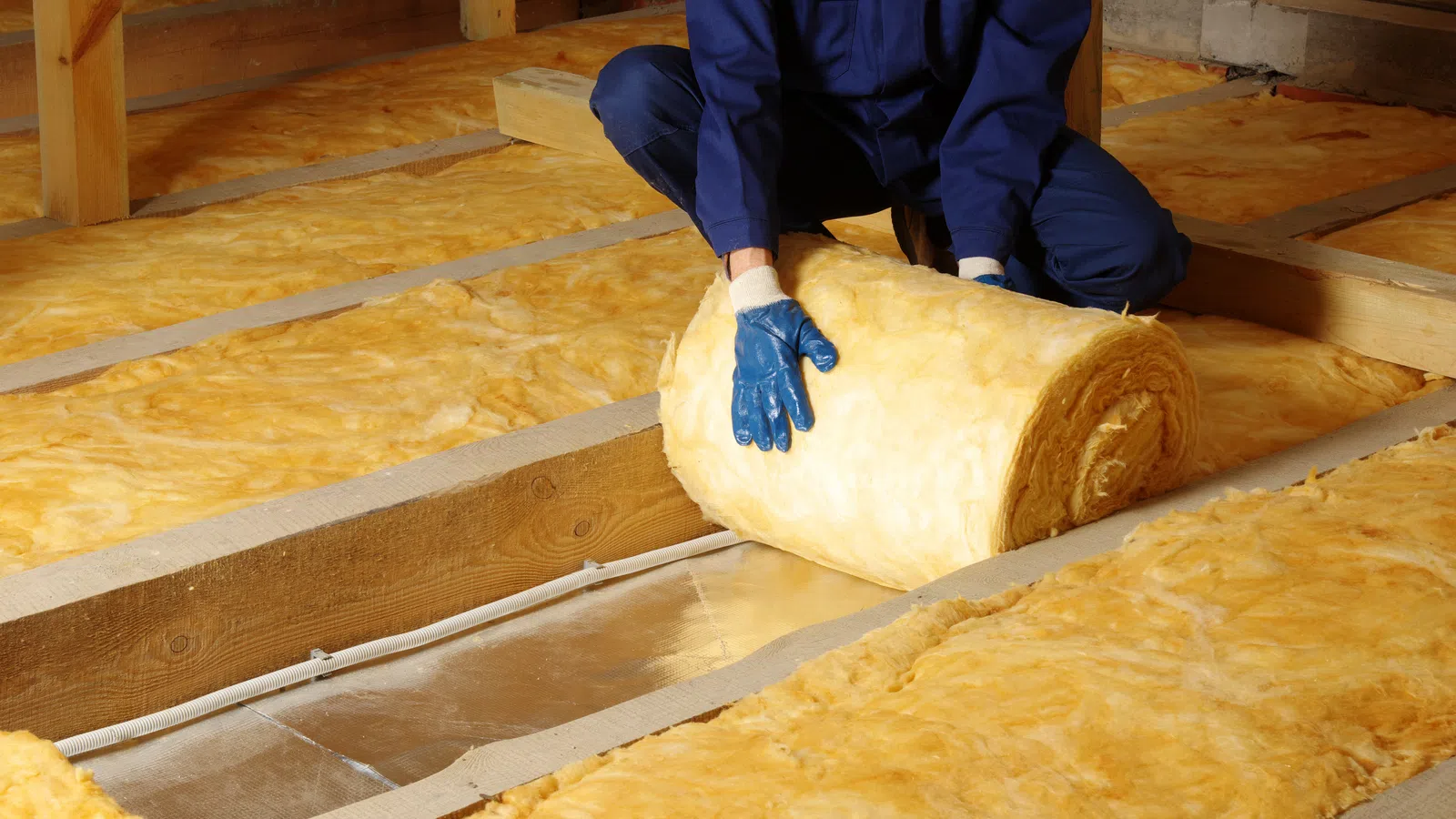
- Bring the attic up to the recommended level. Blown-In Attic Insulation is a common way to reach the R-49 to R-60 range ENERGY STAR recommends for our area.
- Fill empty exterior walls. USA Insulation Premium Injection Wall Foam goes in from the outside through small access holes, which are plugged and patched afterward. Interior drywall and plaster stay in place.
- Look at the whole house together. Our Ultimate Home Comfort approach looks at walls, attic and air sealing as one plan, so you fix the biggest losses first.
ENERGY STAR estimates homeowners can save an average of 15% on heating and cooling costs by air sealing and adding insulation in attics, floors over crawl spaces and accessible basement rim joists. Results vary from house to house.
How does this play out in Spokane and North Idaho neighborhoods?
The older housing stock across our area makes inversion season easy to feel. Brick homes on the South Hill and in Browne's Addition hold cold for a long time once it gets into the walls. Mid-century ramblers in Spokane Valley and North Spokane often have thin attics and empty or slumped wall insulation. Older bungalows near Sanders Beach and the Fort Grounds in Coeur d'Alene can have upstairs rooms that never quite warm up when the sun stays hidden.
Wherever you live, from Cheney to Hayden, the question is the same: when the sun stops helping, how well does your house hold the heat you are already paying for?
When is the right time to get an inspection?
Right in the middle of a gray stretch is a good time. The cold rooms are obvious, the drafts are easy to point out and you can show exactly what bothers you. During a free in-home insulation inspection, we measure what is in your walls and attic, take photos so you can see it yourself and give you a written price for the work that would make the biggest difference.
Make the next gray week easier on your house
Inversion season is part of living in the Inland Northwest, and a house that holds its heat makes those long, sunless days a lot easier to sit through. If your rooms feel colder than the thermostat says every time the clouds settle in, schedule a free insulation inspection with USA Insulation of Spokane-CDA and we will show you where the heat is going.