
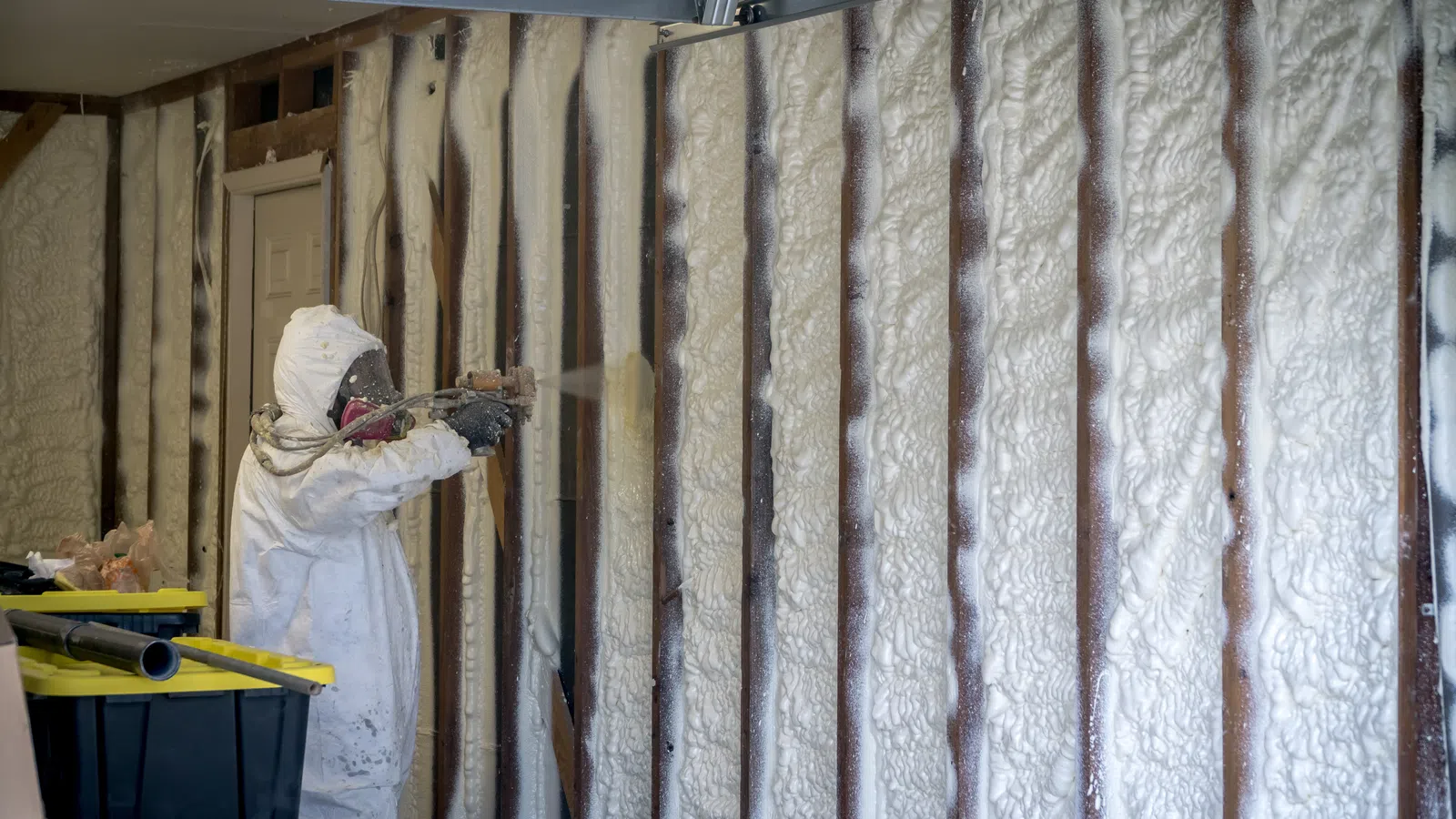
Ask whether they are licensed and insured in your state, whether they are an Avista Utilities approved installer, what insulation type they recommend and why, whether they measure your existing R-value, whether the quote is itemized, and who handles the rebate documentation. Clear answers to those six questions can help separate a professional, thorough contractor from a price-only bid.
Why the Cheapest Bid Is So Often the Wrong One
Insulation is easy to sell badly. The work is hidden inside walls and above ceilings, most homeowners never see it again, and almost nobody goes back up into the attic a year later to check whether the depth is what the invoice promised.
That is the whole problem. When quality is invisible, price becomes the easiest thing for a homeowner to compare, and the bidder willing to cut the most corners may appear to offer the best deal.
These six questions can make the quality and scope of the work much easier to compare.
1. Are You Licensed, Bonded, and Insured in My State?
Start here, because it is one of the fastest ways to evaluate a contractor. Washington and Idaho are different jurisdictions with different requirements, and a contractor working on both sides of the state line needs to be current in the state where your house is located.
Ask for the contractor's license or registration number and verify it yourself. Washington contractor information is searchable through the Department of Labor and Industries, and Idaho contractor registrations can be checked through the appropriate state licensing resources.
Ask for proof of insurance as well. A crew working in your attic, drilling siding, or performing other work on your property makes proper licensing and insurance important considerations.
2. Are You an Avista Utilities Approved Installer?
This question may have money attached to it.
If you are planning to take advantage of an Avista Utilities insulation incentive or rebate program, ask the contractor whether they meet the program's current installer requirements before work begins.
Also ask what documentation is required, what existing conditions need to be recorded, and what information will need to appear on the final invoice.
Do not assume that every contractor or every insulation project automatically qualifies. Confirm the current program requirements and available incentives for your property before making a decision based on an expected rebate.
3. What Are You Recommending, and Why That Instead of Something Else?
A strong answer should sound like a diagnosis. It should explain what your house has now, what may be missing, and why the proposed insulation material and installation method fit your particular walls, attic, crawlspace, or other areas.
A weak answer sounds like a product pitch that could be used at almost any house.
Different homes can have very different insulation needs based on their age, construction, existing insulation, air leakage, ventilation, and accessibility. The recommendation should reflect the conditions found in your home rather than simply promoting one particular product.
Ask the contractor to explain the alternatives as well. Understanding why one approach is being recommended over another can make it much easier to compare competing proposals.
4. Are You Going to Measure What I Have Now?
This is one of the most useful questions homeowners can ask.
Before recommending additional insulation, the contractor should understand what is already there. In an attic, that can include checking insulation depth and condition in multiple locations. Other areas may require different inspection methods to determine whether insulation is already present.
Existing insulation levels can also be important when determining the appropriate scope of work and whether a project may qualify for available utility incentives.
Measuring first can also help prevent you from paying for work you do not need. The goal should be to understand the current condition of the home before determining what improvements make sense.
5. Can I Get an Itemized Quote?
One number for the entire house makes it difficult to understand exactly what you are buying or to compare proposals from different contractors.
An itemized quote should clearly identify the areas being treated, approximate square footage, insulation material or method, intended insulation level, applicable incentives or rebates, and significant preparation or finishing work.
Itemization can also make it easier to prioritize improvements if the entire project is more than you want to complete at once.
For example, if attic and wall insulation are listed separately, you can better understand the cost and potential benefit of each portion of the project. With one lump-sum number, that comparison becomes much more difficult.
6. Who Handles the Rebate Documentation?
Utility incentive programs can require specific documentation. Depending on the current program, this may include an itemized invoice, information about existing and completed insulation levels, square footage, materials, or confirmation that the work meets applicable program requirements.
Ask the contractor exactly what they provide and what you are responsible for submitting.
Both contractor-submitted and homeowner-submitted processes can work, but you should understand the process before the project begins. That reduces the chance of discovering afterward that important information needed for an incentive application was never recorded.
A Quick Comparison Table for Your Quotes
Use these points as you collect bids. Comparing contractors on the same criteria can make the differences much easier to see.
What to Compare |
Good Sign |
Warning Sign |
Assessment |
Inspects the areas being considered and measures existing conditions |
Quotes from the driveway or over the phone without inspecting the relevant areas |
Quote Format |
Itemized by area, material, scope, and intended insulation level |
Provides only one lump-sum number |
Existing Insulation |
Documents what is currently installed and explains the proposed improvement |
Discusses only the product being sold |
Rebate |
Identifies the applicable program and explains who handles documentation |
Gives vague information or promises an incentive without confirming eligibility |
Timeline |
Provides a clear anticipated schedule and explains the installation process |
Provides little information about scheduling or what to expect |
Recommendations |
Explains why the proposed solution fits your particular home |
Recommends the same approach regardless of existing conditions |
About the Three-Quotes Rule
Getting three quotes is sound advice, with one important caveat: three quotes only help if they cover comparable scopes of work.
A bid to simply add insulation to an attic and a bid that includes additional preparation, air sealing, or a different finished insulation level may not represent the same project.
Line up the scopes first, then compare prices.
Look at what each contractor is actually proposing, what areas are included, what materials or methods will be used, and what preparation is part of the price.
Otherwise, you may simply be comparing different projects instead of determining which contractor offers the best fit for your home.
What a Good Assessment Looks Like
A useful insulation assessment should take enough time to understand the conditions of your home.
Someone should inspect the relevant areas rather than making assumptions from outside the house. Attic insulation should be evaluated in multiple locations when accessible. Existing conditions should be considered before recommending additional insulation.
You should also receive an explanation of which improvements should be prioritized and why.
In some homes, insulation may be the obvious first step. In others, additional issues may need to be considered as part of the overall comfort and energy-efficiency picture.
A contractor who takes the time to understand the house before recommending a solution gives you much more useful information for making a decision.
Ask Us All Six
We would rather have homeowners ask these questions before making a decision.
A free in-home assessment can help identify what insulation you currently have, what areas may need improvement, what options are available, and how applicable utility incentives may factor into the project.
The goal is to give you enough information to understand the proposed work and make an informed comparison.
Frequently Asked Questions
What should I ask before hiring an insulation contractor?
Ask whether they are properly licensed and insured in your state, whether they meet current Avista Utilities program requirements, what they recommend and why, whether they will evaluate your existing insulation, whether the quote is itemized, and who handles any applicable rebate documentation.
How do I know if an insulation quote is fair?
Compare itemized quotes covering similar scopes of work. A useful quote should identify the areas being treated, approximate square footage, material or installation method, intended insulation level, and applicable incentives. Lump-sum numbers can make meaningful comparisons difficult.
Does my insulation contractor have to be approved by Avista Utilities?
Requirements can depend on the specific Avista Utilities program and current eligibility rules. If you are planning to use an Avista incentive, confirm the current contractor, project, and documentation requirements before work begins.
Should I get three insulation quotes?
Getting multiple quotes can be useful as long as you compare similar scopes. A proposal that includes different preparation work, materials, air sealing, or insulation levels may naturally cost more or less. Compare what is actually included before comparing the final price.
How long should an insulation assessment take?
It should allow enough time for the contractor to inspect the relevant areas and evaluate existing conditions. For an accessible attic, that may include checking insulation depth and condition in multiple locations. A proposal based on an actual inspection generally provides more useful information than one based primarily on assumptions.