
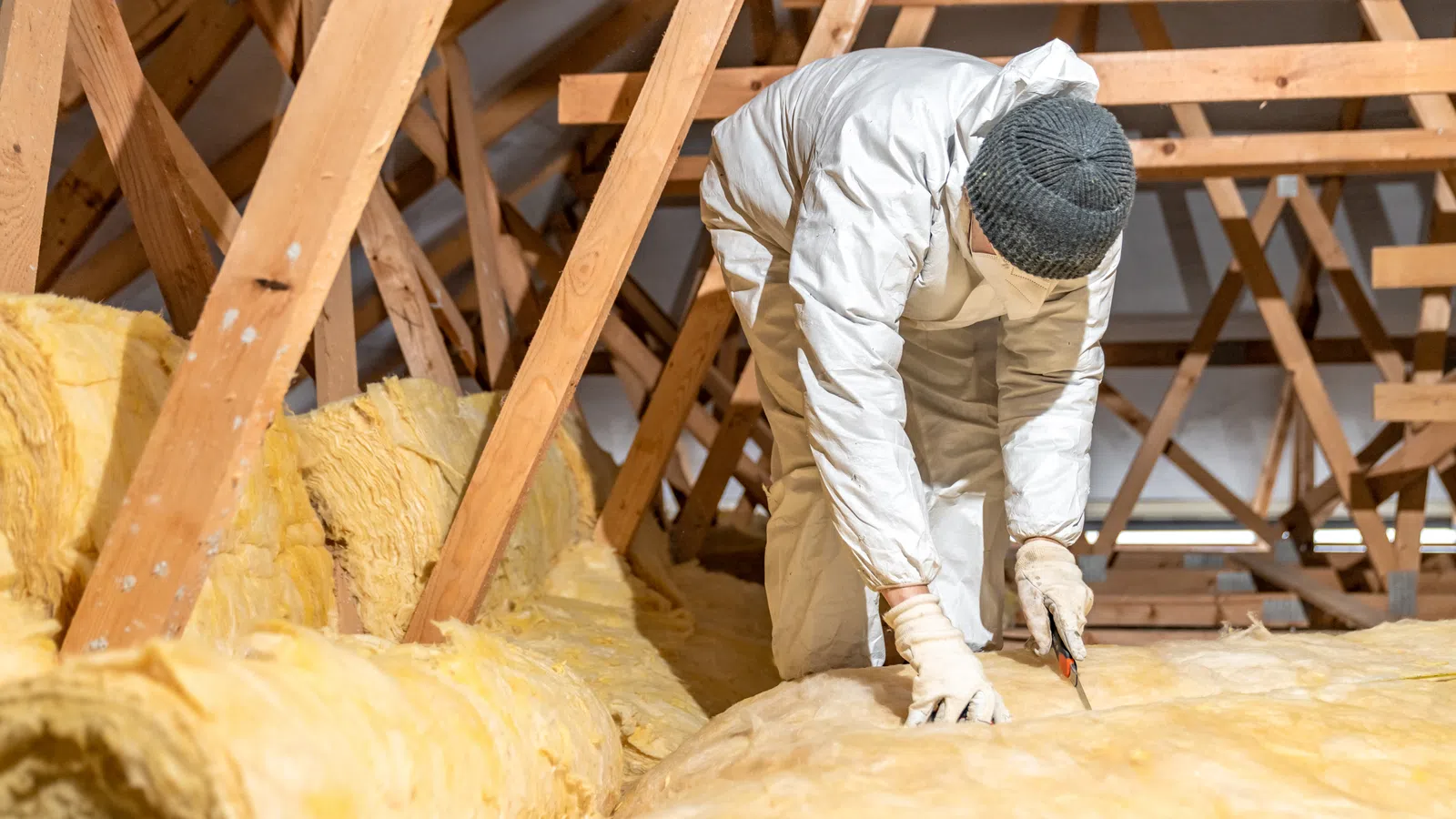
When one room in your Bowling Green home stays cold while the rest of the house feels fine, the cause is rarely your heating system. It is usually missing insulation, thin insulation, or air leaks in the walls, floor, or ceiling of that room. Corner rooms, additions, and rooms over crawlspaces or garages are the usual suspects.
Winter in southern Kentucky can sneak up on you. The first freeze often arrives in late October or early November, and by January you are seeing some truly cold nights. That is when the cold room shows up: the back bedroom nobody wants to sleep in, the addition that needs a space heater, or the bonus room the kids abandon until spring.
We hear about these rooms all the time from homeowners in Bowling Green, Glasgow, Russellville, Franklin, KY, and Owensboro. Here is why they happen and what fixes them for good.
What Makes One Room Colder Than Another?
Every room in your house is gaining heat from your vents and losing heat through its walls, ceiling, floor, and windows. When a room loses heat faster than the vent can replace it, it stays cold.
Rooms in the center of the house have heated space all around them, so they hold warmth well. Rooms on the edges of the house, or rooms with unheated space above or below them, lose heat much faster. If those rooms also have weak insulation, the difference becomes something you can feel the moment you walk in.
The U.S. Department of Energy explains that heat always flows toward colder areas, which is why the insulation around each room matters so much. Wherever the barrier is thin, the heat you pay for finds its way out. (energy.gov)
The Usual Cold Rooms in Bowling Green Area Homes
The homes in our part of Kentucky have a few patterns we see again and again.
Rooms Over a Crawlspace
Crawlspaces are common throughout Warren County and the surrounding area, especially in older homes and homes built on the limestone and karst ground around Bowling Green and toward the Mammoth Cave region. A drafty, uninsulated crawlspace sends cold air right up through the floor. If your room has cold floors and chilly baseboards, look below it first.
Corner Rooms in Older Homes
A corner bedroom has two outside walls. In a mid-century home in Glasgow, Elizabethtown, or near downtown Bowling Green, those walls may have very little insulation, or insulation that has settled to the bottom of the cavity over the decades. That leaves the top of the wall basically empty.
Farmhouse Additions
Many rural homes in Warren, Logan, and Simpson counties have been added onto over the years. A porch gets enclosed, a family room goes on the back, a bedroom is built over a garage. Each addition may have been insulated to a different standard, and the seams where new meets old are prime spots for air leaks.
Bonus Rooms and Upstairs Rooms With Knee Walls
Story-and-a-half homes and newer two-story homes both tend to have knee walls: those short walls where the sloped ceiling meets the floor. The attic space behind them is unheated. If the knee walls are poorly insulated or the small storage doors are not sealed, the room will be cold in winter and hot in summer.
Simple Ways to Narrow Down the Problem
Before you call anyone, a few quick checks on a cold morning can tell you a lot.
- Compare wall temperatures. Touch an exterior wall and then an interior wall in the same room. A big difference points to under-insulated wall cavities.
- Feel the floor. Walk the room in socks. A floor that feels noticeably colder than the rest of the house often means heat loss into the crawlspace or garage below.
- Check outlets and switches on outside walls. A cold draft coming from behind the cover plate means air is moving through the wall.
- Look for dark lines on carpet edges. Dirty streaks along baseboards are a sign that outside air is being pulled in through gaps.
- Watch the frost. On a frosty morning, look at the outside of the house. Areas where the frost melts first can be places where heat is escaping.
A professional inspection with thermal imaging can confirm what you are seeing and show exactly where the heat is going, without cutting into a single wall.
How to Fix a Cold Room for Good
Most cold rooms come down to one or more of these problem areas. The right fix depends on which one you have.
Problem Area |
What You Notice |
Typical Fix
|
|---|---|---|
Exterior walls |
Cold walls, drafts at outlets |
Injection foam wall insulation |
Crawlspace or rim joist |
Cold floors, drafts at baseboards |
Rim joist sealing and floor insulation |
Attic above the room |
Cold ceiling, room overheats in summer |
Blown-in attic insulation |
Knee walls |
Cold sloped ceilings, drafty storage doors |
Knee wall insulation and air sealing |
Gaps and seams |
Dust lines, whistling air |
Air sealing |
Injection Foam for Cold Walls
If your walls are the weak spot, injection foam fills the existing wall cavities through small holes that are patched afterward. Nothing gets torn out, and most homes are finished in a day or two. For older Bowling Green homes that were built with little wall insulation, this is often the upgrade that makes the biggest difference in how a room feels.
Sealing and Insulating Below the Floor
For rooms over crawlspaces, sealing the rim joist and addressing the floor system can stop the cold air that rises through the floor. This is especially important in karst-area homes, where crawlspaces can be damp and drafty.
More Attic Insulation
If the cold room sits right under the attic, adding blown-in insulation can help it hold heat. In many older homes, the original attic insulation has compressed over time and is nowhere near today's recommended depth.
Air Sealing Everything Else
Air sealing closes the cracks and gaps that let cold air in. Doing it alongside insulation gives you a room that feels steady and comfortable instead of drafty.
Why You Should Fix It Before Winter Sets In
Fixing a cold room in the fall means you get the benefit for the whole heating season. It also takes pressure off your heating bill. When one room is cold, most families turn up the whole house to compensate. Once that room holds heat, you can set the thermostat lower and still be comfortable, which helps whether you are on BGMU, OMU, or another local utility.
Frequently Asked Questions
Why are my floors so cold in winter?
Cold floors are usually caused by an uninsulated or drafty crawlspace, an unsealed rim joist, or a floor over an unheated garage. Cold air under the house cools the floor from below and can leak up through gaps.
Is a cold room a sign my furnace or heat pump is failing?
Not usually. If the rest of the house is comfortable, your system is likely working. The cold room is more often losing heat faster than it receives it because of weak insulation or air leaks.
Can you insulate just one room?
Yes. Injection foam and air sealing can be done in a single room or a few walls. Many homeowners start with their coldest room and expand from there.
Will fixing a cold room help in summer too?
In most cases, yes. A room that loses heat in winter usually gains heat in summer, so the same improvements help it stay cooler during hot, humid Kentucky summers.
How long does the work take?
Most single-room jobs are done in one day. Whole-home injection foam projects typically take one to two days.
Book a Free Cold Room Inspection in Bowling Green
If you have a room that never warms up, USA Insulation can help you find out why. We offer free in-home inspections in Bowling Green, Glasgow, Franklin, KY, Russellville, Owensboro, Elizabethtown, Hopkinsville, and the surrounding area. We will look at your walls, attic, crawlspace, and problem spots, walk you through what we find, and recommend a fix that makes sense for your home.
Call 270-263-8444 or request your free estimate online.
USA Insulation of Bowling Green
104B State Street Suite 6, Franklin, KY 42134