
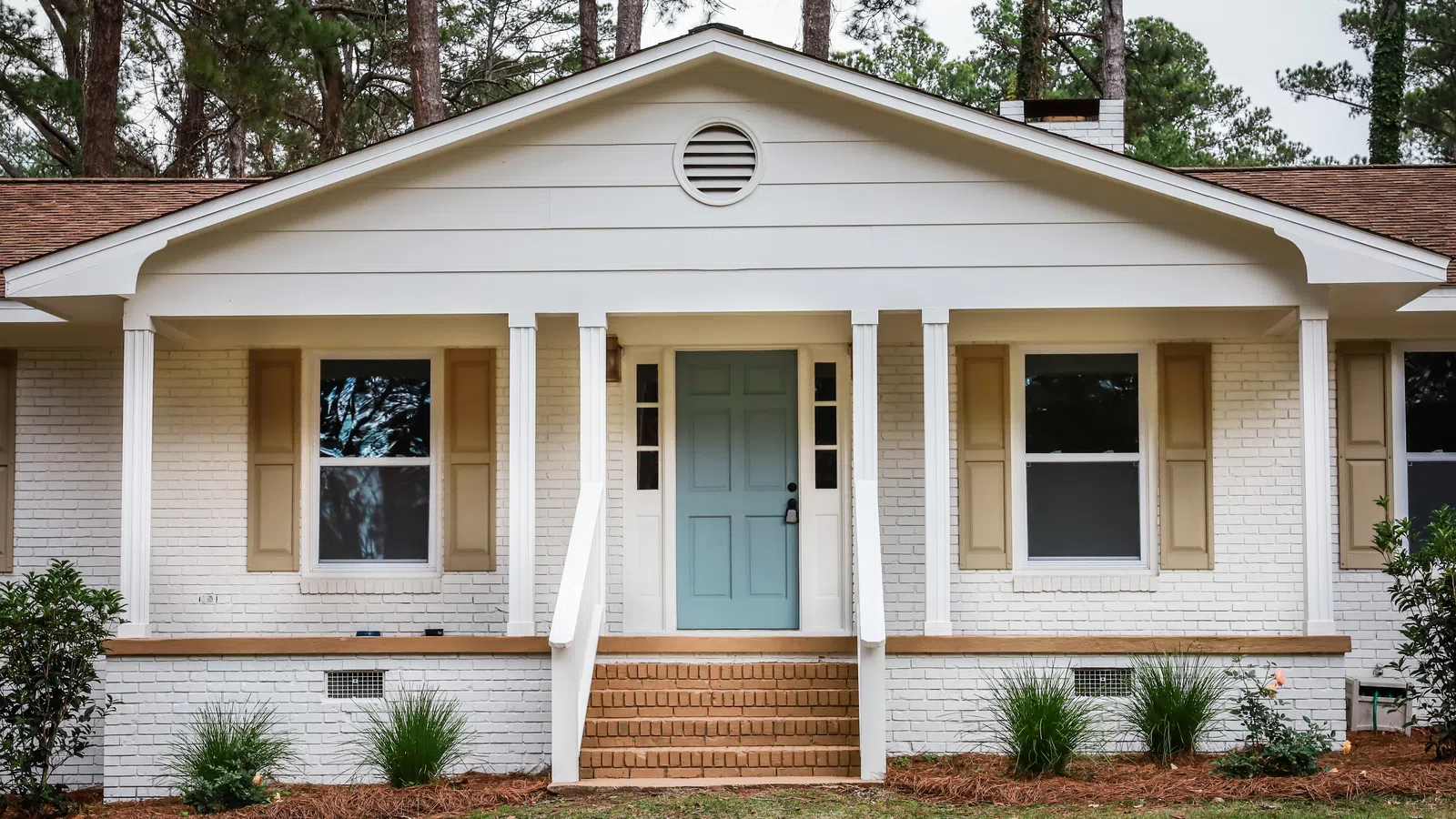
If your home was built before 1980, it may not have the insulation needed to keep up with today's comfort and energy expectations. That is especially true in Bowling Green and surrounding communities where older homes, historic properties, mid-century ranches, farmhouses, and homes near the WKU campus often have insulation levels that fall short of modern standards.
At USA Insulation, we help homeowners understand why old home insulation in Bowling Green matters so much. A home can look solid, feel well built, and still lose energy every day through empty walls, thin attic insulation, unsealed gaps, crawlspace areas, and aging materials.
Many homeowners first notice the issue when utility bills rise, upstairs rooms feel too hot, exterior walls feel cold in winter, or the HVAC system runs constantly. These are not always signs that the HVAC system is failing. In many cases, the home is simply under-insulated.
The good news is that older homes do not have to stay uncomfortable. With modern re-insulation options like injection wall foam, blown-in attic insulation, spray foam in targeted areas, and air sealing, we can help improve comfort without turning your home into a major construction project.
Why Homes Built Before 1980 Often Lack Proper Insulation
Homes built before 1980 were often constructed under very different energy expectations. Modern insulation standards were not as strong, energy costs were lower, and many builders were not focused on whole-home energy performance the way they are today.
That means many older homes have wall cavities with little insulation, attic insulation that is too low by today's recommendations, or gaps that allow air to move freely through the structure. Over time, insulation can also settle, compress, absorb dust, or become disturbed by moisture, pests, storage, or past repairs.
In Bowling Green, this is common in several types of homes:
- Historic homes near Downtown Bowling Green
- Older properties around the WKU area
- Mid-century homes in established neighborhoods
- Brick ranches in Franklin, KY and Glasgow
- Older homes in Elizabethtown and Hopkinsville
- Rural homes and farmhouses throughout Warren County
- Homes with crawlspaces, basements, and limestone-area foundation conditions
A pre-1980 home may have character, craftsmanship, and charm, but that does not mean it is energy efficient. If the walls, attic, and air leakage points have not been updated, the home may be losing heated and cooled air every season.
Why Under-Insulated Homes Feel Uncomfortable
Insulation helps slow the movement of heat. During a Bowling Green summer, insulation helps reduce the amount of outdoor heat entering your home. During winter, it helps keep heated air inside.
When insulation is missing or inadequate, your home can feel uncomfortable no matter how well your HVAC system runs. Some rooms may stay hot in the summer. Others may feel cold in the winter. Exterior walls may feel noticeably different from interior walls. Your system may run for long periods and still struggle to keep the home comfortable.
In older homes, comfort problems often show up in familiar ways:
- Hot upstairs bedrooms
- Cold exterior walls
- Drafty rooms
- High heating and cooling bills
- HVAC systems that run constantly
- Dust near outlets or baseboards
- Uneven temperatures from room to room
- Attic insulation that looks thin or uneven
- Cold floors over crawlspaces or basements
- Rooms that are difficult to heat or cool
These issues can be frustrating, but they are also helpful clues. They tell us where the home may be losing energy and where re-insulation could make the biggest difference.
How to Tell If Your Walls Are Under-Insulated
Many Bowling Green homeowners assume they would have to tear open drywall to find out what is inside their walls. In most cases, that is not necessary.
There are several ways to identify likely wall insulation problems without starting a remodel. One simple sign is wall temperature. If exterior walls feel hot in summer or cold in winter, they may not be properly insulated. Another sign is room imbalance. If the rooms along the outside of the home are always harder to control, the wall cavities may be allowing too much heat transfer.
Drafts around outlets and switches can also point to air movement inside the wall system. Dust patterns near baseboards, exterior walls, or outlet covers may indicate that outdoor air is finding a path inside. A professional assessment can also help locate insulation gaps and temperature differences.
During an insulation inspection, we look at the home as a complete system. We evaluate accessible attic areas, wall conditions, insulation depth, air leakage points, crawlspace or basement areas, and the comfort concerns you are experiencing. That helps us recommend a solution based on your home instead of offering a one-size-fits-all answer.
Why Injection Foam Works Well for Existing Walls
For many older homes, the exterior walls are the biggest problem area. Attic insulation is usually easier to inspect and upgrade, but walls are enclosed. That is why injection wall foam is such a valuable option for existing homes.
Injection foam is designed to be installed into enclosed wall cavities. Instead of tearing out drywall, we can add insulation through a controlled installation process that fills the empty space inside the wall. The foam expands to fill gaps and reduce unwanted air movement.
For pre-1980 homes in Bowling Green, injection foam can help improve:
- Exterior wall comfort
- Draft control
- Room-to-room temperature balance
- Energy efficiency
- HVAC performance
- Year-round comfort
This is especially useful for older brick ranches, historic homes, and homes that were built with little or no wall insulation. For many homeowners, injection foam offers a practical way to upgrade the home without losing the character they love.
Attic Insulation Is Often Part of the Solution
While wall insulation is a major factor in older homes, the attic should never be ignored. Heat naturally moves upward, and your attic can be one of the largest sources of energy loss in the home.
In summer, attic heat can push downward into living spaces. In winter, heated air can escape upward if attic insulation is too thin or air sealing is incomplete. If you can see the attic floor joists, or if the insulation appears uneven, dirty, compressed, or disturbed, your attic may need attention.
Blown-in attic insulation can help bring the attic closer to recommended performance levels. It can also help reduce temperature swings, improve comfort on upper floors, and reduce the workload on your HVAC system.
In many older Bowling Green homes, the best solution is a combination of wall insulation, attic insulation, and air sealing. Treating only one area may help, but treating the whole energy loss pattern can create better results.
Do Crawlspaces and Basements Matter?
Yes. In Bowling Green and surrounding areas, crawlspaces, basements, and foundation conditions can play a major role in comfort and energy efficiency.
Southern Kentucky's karst and limestone terrain can contribute to moisture concerns in some homes, especially where crawlspaces or basement areas are not properly sealed or insulated. Cold floors, musty odors, drafts, and inconsistent room temperatures can sometimes be connected to the lower part of the home.
Depending on the structure, targeted spray foam, rim joist insulation, crawlspace air sealing, or other insulation improvements may help reduce air movement and improve comfort. The right solution depends on the home's layout, foundation type, moisture conditions, and existing insulation.
That is why a professional inspection matters. We want to understand where your home is losing energy before recommending the best path forward.
What Does Reinsulating an Older Bowling Green Home Cost?
The cost of reinsulating an older home depends on the size of the home, the type of insulation needed, existing insulation levels, accessibility, and whether the project includes walls, attic, air sealing, crawlspace areas, or a combination of services.
A smaller attic insulation project may be a lower investment. A larger whole-home project that includes injection foam for exterior walls, attic insulation, and air sealing will cost more, but it may also provide a stronger comfort and efficiency improvement.
Several factors affect cost, including:
- Home size
- Number of exterior walls
- Attic square footage
- Existing insulation condition
- Wall construction
- Siding or exterior material
- Crawlspace or basement access
- Air sealing needs
- Project complexity
- Whether the home needs one service or several
The best way to understand cost is to schedule an inspection. We can evaluate your home, explain what we find, and provide a clear recommendation based on your goals.
For many homeowners, re-insulation is not just an expense. It is an investment in comfort, lower energy waste, and a home that feels better throughout the year.
How Re-insulation Can Help With Energy Savings
When your home is under-insulated, your heating and cooling system has to work harder. In summer, cooled air can escape while outdoor heat pushes inside. In winter, heated air can leak out while cold air moves in.
Re-insulation helps reduce that energy loss. While every home is different, homeowners often notice that rooms feel more even, HVAC systems do not have to work as hard, and the home feels more comfortable during extreme temperatures.
Re-insulation can help:
- Reduce unwanted heat transfer
- Improve comfort in hard-to-control rooms
- Lower energy waste
- Support HVAC performance
- Reduce drafts
- Make older homes feel more modern and comfortable
- Improve year-round efficiency
The greatest benefits often come from identifying the biggest weak points first. In one home, that may be the attic. In another, it may be empty exterior walls. In another, it may be a crawlspace, rim joist, or air leakage issue.
A Local Example: Older Homes Near Downtown Bowling Green and WKU
Many older homes near Downtown Bowling Green and the WKU area have charm, history, and great locations. They may also have insulation problems hidden behind the walls and above the ceiling.
A homeowner might notice that the front rooms heat up quickly in the afternoon, the bedrooms feel cold in winter, or the HVAC system runs longer than expected. The home may have older attic insulation, little insulation in exterior walls, and air leakage around outlets, trim, or attic access points.
The same type of issue can show up in mid-century homes in Glasgow, Franklin, KY, and Elizabethtown. These homes were built for their time, but their original insulation may not match today's comfort needs.
With injection foam, attic insulation, and air sealing, many of these older homes can be upgraded without losing their original character.
Schedule a Free Insulation Inspection in Bowling Green
If your Bowling Green home was built before 1980, you may be losing energy every month through walls, attic spaces, crawlspaces, and air leaks. You do not have to guess what is happening inside your home, and you do not have to live with uncomfortable rooms.
At USA Insulation, we help homeowners improve comfort with injection wall foam, attic insulation, air sealing, and customized re-insulation solutions for older homes.
Call 270-263-8444 to schedule your free insulation inspection.
USA Insulation of Bowling Green
104B State Street Suite 6
Franklin, KY 42134
We are here to help you make your older home more comfortable, more efficient, and better prepared for Kentucky's hot summers and cold winter nights.