
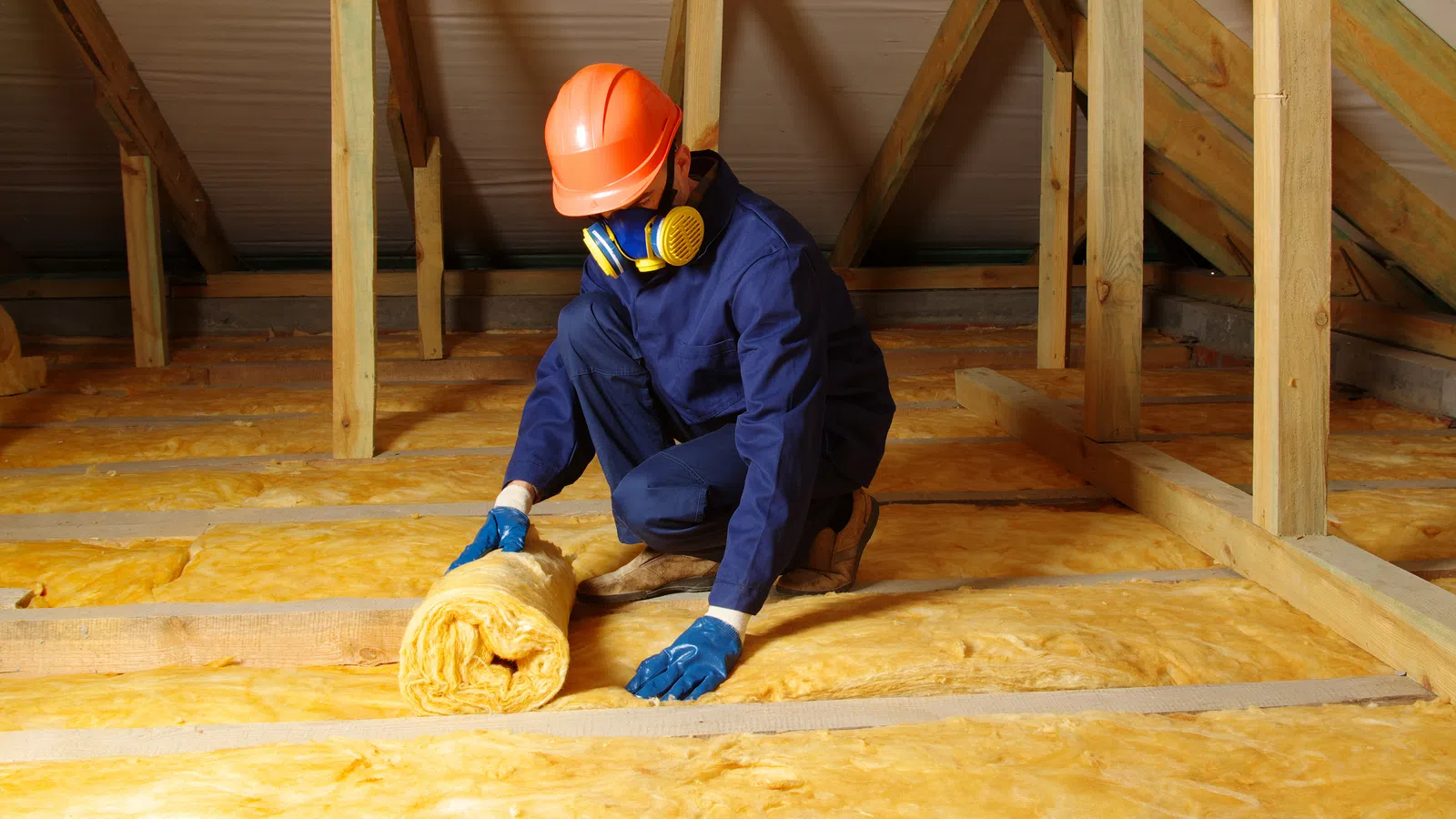
Insulation can quiet a Bowling Green home, mainly by filling hollow exterior walls and topping off thin attics, and air sealing helps by closing the cracks sound sneaks through. You will usually notice voices, traffic hiss, and rain on the roof less. Deep rumble from trucks or aircraft and noise through windows need other fixes.
Noise around here depends a lot on where you live. Near I-65 or along Scottsville Road, it is a steady wash of traffic. On a county road outside Auburn or Morgantown, it might be quiet for weeks, then loud through harvest, when trucks and equipment run late into the evening.
In Oak Grove and Hopkinsville, families living near Fort Campbell know the sound of aircraft overhead. And in town, homes on corner lots or along busy streets near downtown Bowling Green hear more of the city than they would like.
Why does some noise come right through the walls?
Sound needs a path, and many older homes give it two. The first is any opening to the outside, such as gaps around outlets, pipes, wires, doors, and window trim. The second is the wall itself.
An empty wall cavity is a pocket of air between two thin surfaces. Sound hits the siding or brick, crosses the hollow space, and sets the drywall vibrating on the inside. Filled walls behave differently because there is no open space for the sound to carry through.
Which kinds of noise does insulation help most?
Insulation is best at softening mid and high pitched sound that travels through the air. That covers a lot of everyday noise:
- Car and truck tire noise from a nearby road.
- Voices and dogs from the neighbor's yard.
- Rain and hail on the roof, when the attic layer is thin.
- Lawn equipment and leaf blowers.
It helps less with deep, low sounds. The rumble of a loaded grain truck, a helicopter passing low, or the bass from a car stereo carries through the structure itself, and insulation only takes the edge off.
Where does air sealing fit in?
Air sealing may be the most underrated part of a quieter house. A small gap lets through a surprising amount of sound, the same way a door left open a crack lets a whole conversation into the next room.
The gaps that matter most are around outlets and switches on exterior walls, where pipes and cables enter the house, around attic hatches, and along the bottom edge of the walls. Sealing them helps the house hold heat and keep out noise at the same time.
What about windows and doors?
Glass is usually the loudest part of any wall. If the noise gets clearly louder when you stand at a window, that window is your main path.
Older single-pane windows and loose storm windows are common in older homes around Bowling Green, Glasgow, and Russellville. Sealing the trim helps, but the glass itself may need attention from a window contractor. The same goes for a hollow exterior door facing a busy street.
That does not make wall insulation pointless. When the walls are quieter, the remaining noise is easier to pin down, and you can decide whether a window upgrade is worth it.
Does the attic matter for noise?
More than most people think. A thin attic leaves the ceiling as little more than a sheet of drywall between your bedroom and the roof.
That matters most on homes with metal roofs, which are common on farmhouses and newer country homes across southern Kentucky. A hard rain or a burst of hail on a metal roof is loud, and with little insulation overhead, the sound comes straight down into the rooms below. A full, even layer of attic insulation softens it. So does sealing the gaps around light fixtures and the attic hatch, which act as small openings for sound as well as air.
The same layer that quiets the rain also keeps summer heat out of the upstairs and winter heat in, so the attic is often a good place to start.
What do homeowners usually notice after insulating?
The change is rarely dramatic in the first hour. It shows up over the next few days, in small ways.
The morning traffic sounds farther away. A neighbor's dog is easier to ignore. The TV does not need to be turned up quite as high when it rains. And most people notice the house feels warmer at the same time, because the drafts that carried the noise were carrying cold air, too.
If one window is still loud after the walls are done, you now know exactly where the next improvement should go.
Myth vs. Fact: Insulation and Noise
Myth: Insulation soundproofs a house.
Fact: It reduces airborne noise, especially through hollow walls and thin attics. True soundproofing takes heavier materials and special construction.
Myth: If my walls already have some insulation, there is nothing to gain.
Fact: Old batts slump and leave gaps at the top of the cavity, and air leaks around outlets still let sound in. Sealing and filling those gaps can still help.
Myth: Thicker attic insulation will stop aircraft noise.
Fact: A full attic layer softens noise overhead, but the deep rumble of aircraft passes through the whole structure. Expect it to be duller, not gone.
Myth: Brick walls are already quiet.
Fact: Brick adds mass, which helps. But many brick homes are brick veneer over a hollow framed wall, and that hollow space still carries sound.
Myth: Noise and drafts are separate problems.
Fact: They often share the same gaps. A draft you can feel is usually a spot where sound gets in, too.
Which local homes tend to gain the most?
Homes that start with empty walls see the biggest change. Many brick ranches and older frame homes across Warren, Logan, and Simpson counties were built with little or no insulation in the exterior walls. Filling them can change how a room sounds as much as how warm it stays.
Farmhouses with plaster walls are often quieter than you might expect because plaster is heavy. Their weak points are usually the windows, the gaps around old trim, and the attic.
Newer homes with insulated walls tend to gain more from air sealing and attic work than from the walls themselves.
Mobile and manufactured homes are a separate case with their own construction, so the advice here applies best to site-built houses. If you are not sure which category a wall falls into, an inspection will tell you how it was built and what can be done with it.
How can you find out where noise is getting in?
Pick a noisy time of day and listen room by room. Stand near each window, each exterior wall, and the outlets on those walls. Close your eyes if it helps. Most people can tell quickly whether the sound is pouring through the glass or seems to come through the whole wall.
An insulation inspection adds the missing piece: whether the walls are hollow, where air leaks, and how much is in the attic. With that, you can see whether insulation will make a real difference before you spend anything.
Would a quieter house be a nice bonus?
Most people insulate for comfort and lower bills, then notice the quiet. Request a free insulation inspection from USA Insulation of Bowling Green and find out what your walls are hiding.