
If your heat pump runs almost constantly on cold Nashville nights, your home is probably losing heat faster than the system can replace it. Heat pumps put out gentler, lower-temperature heat than a gas furnace, so gaps in your insulation hit them harder. Better wall and attic insulation lets the system keep up without leaning on expensive backup heat.
Heat pumps are everywhere in Middle Tennessee. Electric heat has long been the norm in this part of the country, and a lot of homes in Nashville, Murfreesboro, Smyrna, and Lebanon rely on a heat pump for both cooling and heating. They are an efficient way to heat a home, but they have one weakness: they work best in a house that holds onto its heat.
If your winter bill from NES jumps every January, or you notice your system running for hours without a break, this is worth a closer look.
Why Do Heat Pumps Struggle When It Gets Cold?
A heat pump does not create heat by burning fuel. It moves heat from the outside air into your home, even when it is chilly outside. The U.S. Department of Energy notes that this makes heat pumps very efficient in moderate climates like ours. (energy.gov)
The catch is that the air coming out of your vents feels warm but not hot. It is usually cooler than the blast you would feel from a gas furnace. That means the system needs to run longer and more steadily to keep the house at temperature.
As the temperature outside drops, the heat pump has less heat to pull from the air. On the coldest nights, many systems turn on backup heat, often called auxiliary or emergency heat. That backup heat is usually electric resistance heat strips, and they cost a lot more to run than the heat pump itself.
Where Insulation Comes In
Here is the important part. Your heat pump is not the only thing deciding your comfort. The house itself matters just as much.
When a home is well insulated and sealed, the heat pump only has to replace a small amount of lost heat each hour. It can keep up easily, cycle on and off normally, and rarely call for backup heat.
When a home has thin attic insulation, empty wall cavities, or lots of air leaks, heat escapes quickly. The heat pump runs longer to keep up, and on cold nights it may not be able to keep up at all. That is when the backup heat kicks on, and that is when your bill climbs.
In other words, insulation does not just make you more comfortable. It helps your heat pump stay in its efficient range for more of the winter.
Signs Your Home Is Making Your Heat Pump Work Too Hard
You may be dealing with a heat loss problem if you notice any of these:
- Your heat pump runs almost nonstop on nights in the 20s and 30s.
- Your thermostat regularly shows "Aux Heat" or "Emergency Heat" when it is not extremely cold.
- Your winter electric bills are much higher than your summer bills.
- Some rooms stay cold no matter how long the system runs.
- You feel drafts near outlets, baseboards, or windows.
- Upstairs rooms are hot in summer and chilly in winter.
- Your home was built before 1980 and the walls have never been reinsulated.
If a few of these sound familiar, it is worth checking your insulation before assuming the heat pump needs to be replaced.
Before You Replace Your Heat Pump, Check Your Insulation
A new heat pump is a big purchase. If your current system is aging or failing, replacement may make sense. But if the real problem is that your home loses heat too fast, even a brand new system will run long and hard.
Improving your insulation first can help in a few ways:
- Your existing system may keep up just fine once the house stops leaking heat.
- If you do replace it, a well-insulated home may need a smaller system, which can lower the upfront cost.
- Any system you have will run more efficiently and spend less time on backup heat.
It is a good idea to talk with your HVAC contractor and your insulation contractor together, so you are solving the whole problem instead of only half of it.
The Upgrades That Help Heat Pump Homes Most
Upgrade |
What It Does |
Best For
|
|---|---|---|
Injection foam wall insulation |
Fills empty or settled wall cavities |
Older homes with cold exterior walls |
Blown-in attic insulation |
Adds depth to thin or settled attic insulation |
Homes with cold ceilings or hot summer upstairs |
Air sealing |
Closes gaps where warm air escapes |
Drafty homes and homes with dust lines |
Knee wall and bonus room insulation |
Stops heat loss around upstairs spaces |
Two-story homes with bonus rooms |
Wall Insulation
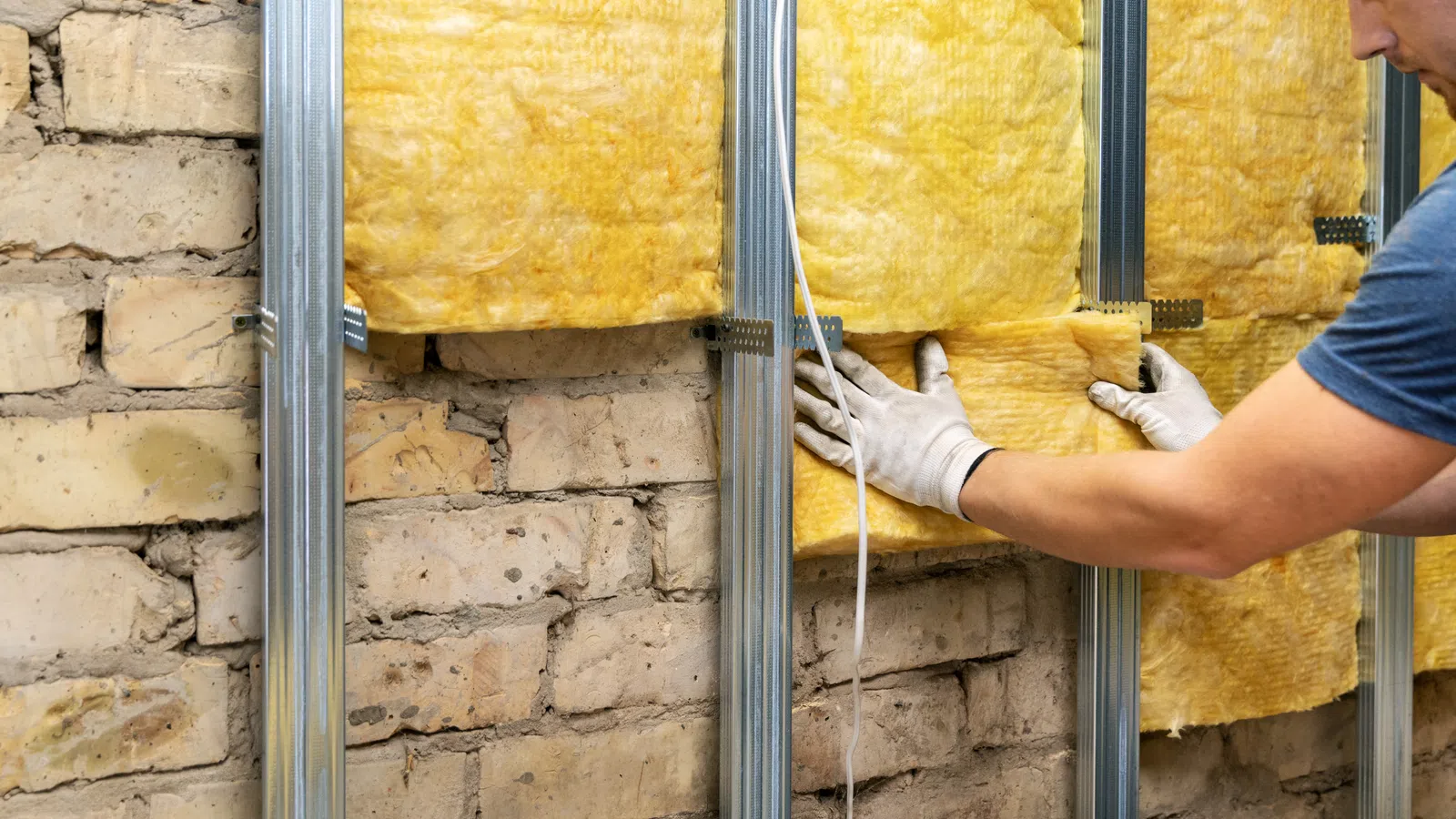
Many Nashville ranches and bungalows built before 1980 have little or no insulation in the walls. In neighborhoods like Inglewood, Madison, and parts of Antioch, it is common to find walls that are mostly empty. Injection foam fills those cavities from the outside or inside through small holes, with no drywall removal. For heat pump homes, this can make a real difference in how long the system runs on a cold night.
Attic Insulation
Warm air rises, so a thin attic is one of the biggest winter heat losses in any home. The DOE recommends higher attic insulation levels for homes in our climate zone than many older homes have today. Topping up the attic is often one of the quickest ways to help a heat pump keep up.
Air Sealing
Air leaks let warm air escape and cold air in. Sealing gaps around attic hatches, recessed lights, plumbing and wiring holes, and top plates helps the heat stay where it belongs.
What About Winter Energy Programs?
TVA EnergyRight and local power companies like NES offer programs and resources for homeowners looking to improve efficiency. Program details change, so check with NES or TVA EnergyRight for what is available when you are ready to start your project.
Frequently Asked Questions
Is it normal for a heat pump to run constantly in winter?
A heat pump will run longer than a gas furnace because it delivers lower-temperature heat. Long run times on mild nights, or frequent use of backup heat, often point to a home that is losing heat too quickly.
What is auxiliary heat and why is it expensive?
Auxiliary heat is the backup heat a heat pump uses when it cannot keep up on its own. It is usually electric resistance heat, which uses much more electricity than the heat pump to make the same amount of heat.
Will insulation lower my winter electric bill?
Better insulation and air sealing reduce how much heat your home loses, so your heat pump runs less and relies less on backup heat. The exact savings depend on your home, but most homeowners notice a more comfortable house right away.
Should I insulate before replacing my heat pump?
It is worth considering. A tighter, better insulated home may let your current system keep up, and if you do replace it, the new system may not need to be as large.
Does insulation help my heat pump in summer too?
Yes. The same insulation that holds heat in during winter keeps heat out in summer, so your heat pump works less all year.
Schedule a Free Insulation Inspection in Nashville
If your heat pump is running nonstop or your winter bills keep climbing, USA Insulation can help you find out where your home is losing heat. We offer free in-home inspections throughout Nashville, Murfreesboro, Smyrna, La Vergne, Lebanon, Gallatin, Hendersonville, Brentwood, and the surrounding area. We will check your walls, attic, and air leaks, explain what we find, and recommend improvements that help your home stay warm this winter.
Contact us to schedule your free insulation inspection.