
Attic Insulation Types Compared for Nashville Homes
If your upstairs rooms are too hot in the summer, your energy bills keep climbing, or your attic insulation looks thin and uneven, it may be time to compare your attic insulation options.
At USA Insulation, we help Nashville homeowners understand which insulation type makes the most sense for their home, budget, and comfort goals. The right attic insulation can help reduce heat transfer, improve room-to-room comfort, support HVAC performance, and make your home feel more consistent through Nashville's hot summers and chilly winter nights.
But not all attic insulation works the same way. Fiberglass batts, blown-in cellulose, blown-in fiberglass, and spray foam each have different strengths. The best choice depends on the condition of your attic, your existing insulation, your home's age, and how the space is used.
Here is a simple guide to the most common attic insulation types for Nashville homes.
Why Attic Insulation Matters in Nashville
Your attic is one of the biggest areas of heat movement in your home.
During the summer, attic temperatures can rise quickly. That heat can push down into the rooms below, especially upstairs bedrooms, bonus rooms, and rooms near the roofline. During the winter, heated air can escape upward if the attic is not properly insulated and air sealed.
When attic insulation is not performing well, homeowners may notice:
- Hot upstairs rooms
- Higher energy bills
- HVAC systems that run constantly
- Drafty rooms in winter
- Uneven temperatures
- Visible attic floor joists
- Insulation that looks dirty, matted, or thin
In Nashville homes, especially older homes in East Nashville, Inglewood, Madison, Donelson, Hermitage, Antioch, and surrounding areas, attic insulation may not meet today's comfort expectations. Even newer homes can have attic insulation that was installed unevenly or moved during repairs.
Fiberglass Batts
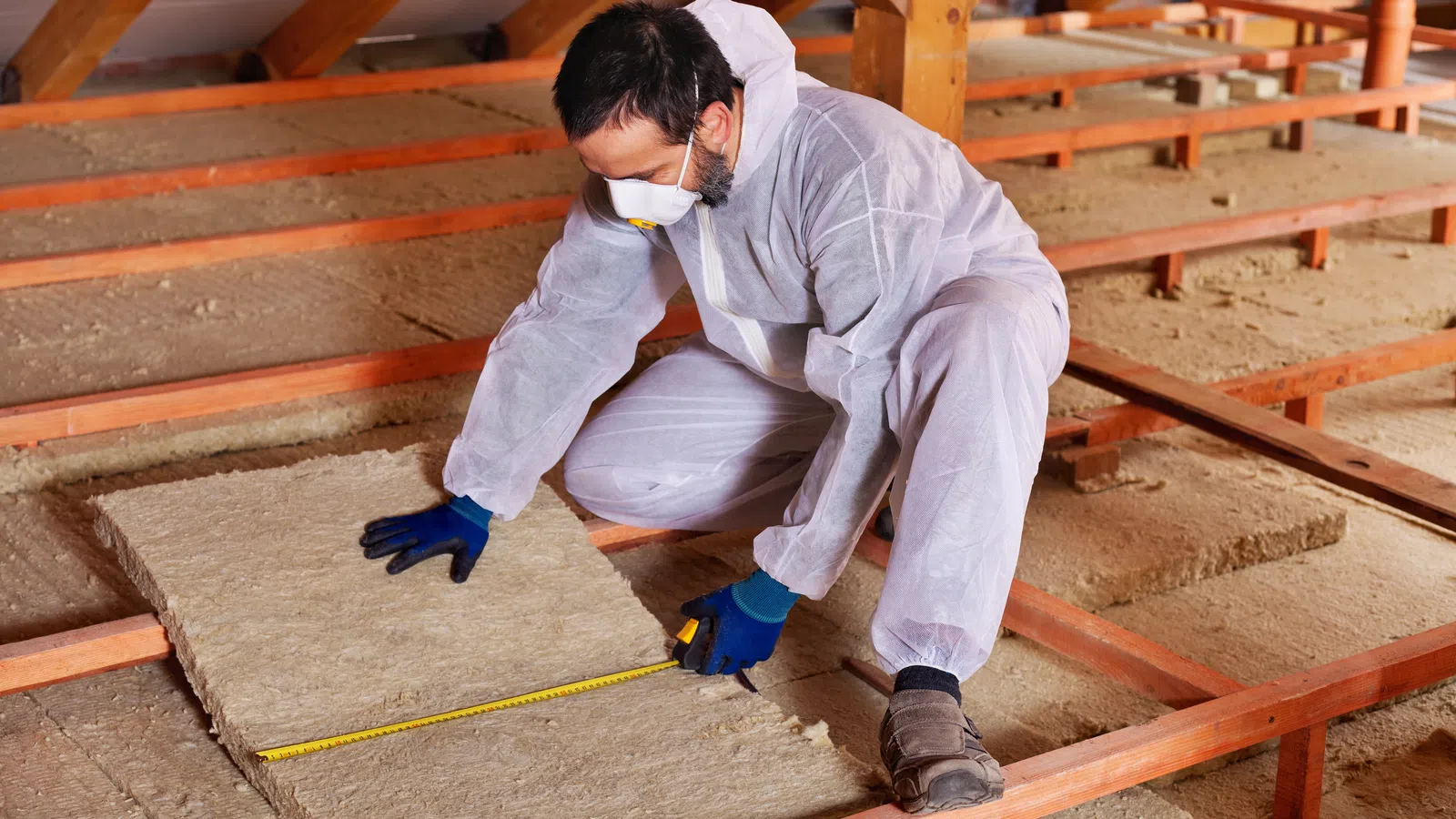
Fiberglass batts are the rolled or pre-cut insulation sections many homeowners recognize. They are commonly found in attics, walls, crawlspaces, and unfinished areas.
Fiberglass batts can work well when they are installed correctly in open spaces. The challenge is that attic spaces are rarely perfectly simple. Wiring, framing, vents, pipes, recessed lights, and uneven surfaces can make batts harder to install tightly.
If batts are cut poorly, compressed, shifted, or installed with gaps, they may not perform as intended.
Fiberglass batts may be a fit when:
- The attic has open, easy-to-access areas
- The framing is consistent
- The material can be installed without gaps
- There is limited obstruction from wiring or mechanical systems
Common problems with fiberglass batts include:
- Gaps between pieces
- Compression that reduces performance
- Uneven coverage
- Poor fit around obstacles
- Areas left exposed
- Batts moved aside for storage or repairs
For Nashville homeowners, fiberglass batts may be familiar, but they are not always the best choice for an attic that needs full, even coverage.
Blown-In Cellulose
Blown-in cellulose is made from treated recycled paper fibers. It is installed using equipment that blows the material across the attic floor, helping create a more even layer than batts in many attic spaces.
Because it is loose-fill insulation, cellulose can settle into gaps and around obstructions better than rolled batts. This can make it a good option for attics with irregular framing or existing insulation that needs to be improved.
Blown-in cellulose can help:
- Improve attic coverage
- Fill around wiring and framing
- Reduce gaps compared to batts
- Add insulation over existing material when appropriate
- Improve attic R-value
Like any attic insulation, cellulose needs to be installed correctly. It should not block soffit vents, cover unsafe recessed lights, or be installed without considering ventilation and air sealing.
Cellulose can also settle over time, which is why proper depth and installation quality matter.
Blown-In Fiberglass
Blown-in fiberglass is another loose-fill attic insulation option. Like cellulose, it is installed using blowing equipment and can create a consistent layer across the attic floor.
For many Nashville homes, a professionally installed blown-in attic system is one of the most practical and effective options. It can cover uneven attic areas, improve insulation depth, and help bring the attic closer to the recommended R-value for the home.
Blown-in fiberglass can be a strong fit when:
- Existing attic insulation is too low
- The attic has uneven coverage
- Homeowners want better upstairs comfort
- Joists are visible
- Older insulation has settled
- The attic needs a more complete thermal barrier
A properly installed blown-in attic system can help reduce heat transfer between the attic and living space. That matters in Nashville because attic heat can make upstairs rooms uncomfortable during summer and allow heated air to escape during winter.
At USA Insulation, we often recommend a blown-in attic system when the attic needs better coverage, improved depth, and a more complete insulation layer.
Spray Foam Attic Insulation
Spray foam is applied as a liquid and expands after installation. It can be used in certain attic applications, but it is not the right choice for every home.
There are two common types of spray foam: open-cell and closed-cell.
Open-cell spray foam is lighter and expands more. It can help with air sealing and sound control in some applications.
Closed-cell spray foam is denser and can provide a higher R-value per inch. It can also help with vapor control in certain spaces.
Spray foam may be used in attics when the project calls for insulating the roof deck or creating a conditioned attic space. This is a different approach than insulating the attic floor. It can be useful in some homes, but it requires careful planning around ventilation, moisture control, HVAC equipment, and building design.
Spray foam may make sense when:
- The attic is being converted into conditioned space
- The roof deck needs insulation
- There are specific air sealing needs
- The home has an attic design that supports it
- A professional assessment confirms it is the right approach
Spray foam is not always the simplest or most cost-effective attic solution. For many Nashville homes, blown-in attic insulation is a better fit because it improves the attic floor without changing the entire attic system.
Open-Cell vs. Closed-Cell Spray Foam
Open-cell and closed-cell spray foam are different products, and they should not be treated as interchangeable.
Open-cell spray foam expands more and is lighter. It can be useful in certain open framing areas where sound control and air sealing are priorities.
Closed-cell spray foam is denser and more rigid. It provides a higher R-value per inch and can help with vapor control in specific applications.
The right choice depends on the attic design, moisture conditions, ventilation, and project goals. In some homes, spray foam is a good solution. In others, it may be more than the home needs or may require additional planning before installation.
That is why it is important to have the attic inspected before choosing spray foam.
Which Attic Insulation Type Is Best for Nashville Homes?
There is no single answer for every home, but many Nashville homeowners benefit from a professionally installed blown-in attic system.
Blown-in insulation is often a strong choice because it can create even coverage across the attic floor, fill around framing and obstacles, and improve insulation depth without requiring major changes to the home.
For older homes, blown-in attic insulation may be paired with injection wall foam and air sealing for a more complete comfort upgrade. For newer homes, it may help correct thin or uneven attic coverage that contributes to hot upstairs rooms.
The best attic insulation choice depends on:
- Existing insulation condition
- Attic access
- Current insulation depth
- Home age
- Ventilation
- Air sealing needs
- Comfort complaints
- Budget
- Whether the attic is vented or conditioned
A home with visible joists and thin insulation may need a blown-in upgrade. A home with major air leaks may need air sealing first. A home with roofline insulation goals may require a different plan.
Do Not Ignore Air Sealing
Attic insulation works best when paired with air sealing.
If air is leaking through attic hatches, recessed lights, plumbing penetrations, wiring holes, or top plates, your home can still lose conditioned air even if insulation is added.
Air sealing helps close those hidden gaps so your insulation can perform better.
A complete attic insulation plan may include:
- Inspecting existing insulation
- Sealing common air leaks
- Protecting attic ventilation
- Installing proper insulation depth
- Avoiding blocked soffit vents
- Checking for moisture or pest damage
This is how attic insulation becomes a comfort upgrade, not just more material added to the attic.
Schedule a Free Attic Insulation Inspection
If you are not sure which attic insulation type is right for your Nashville home, USA Insulation can help.
We inspect your attic, explain what we find, and recommend the option that makes the most sense for your home's comfort, energy use, and budget. Whether your home needs blown-in attic insulation, air sealing, injection wall foam, or a combination of improvements, we can help you choose the right solution.