
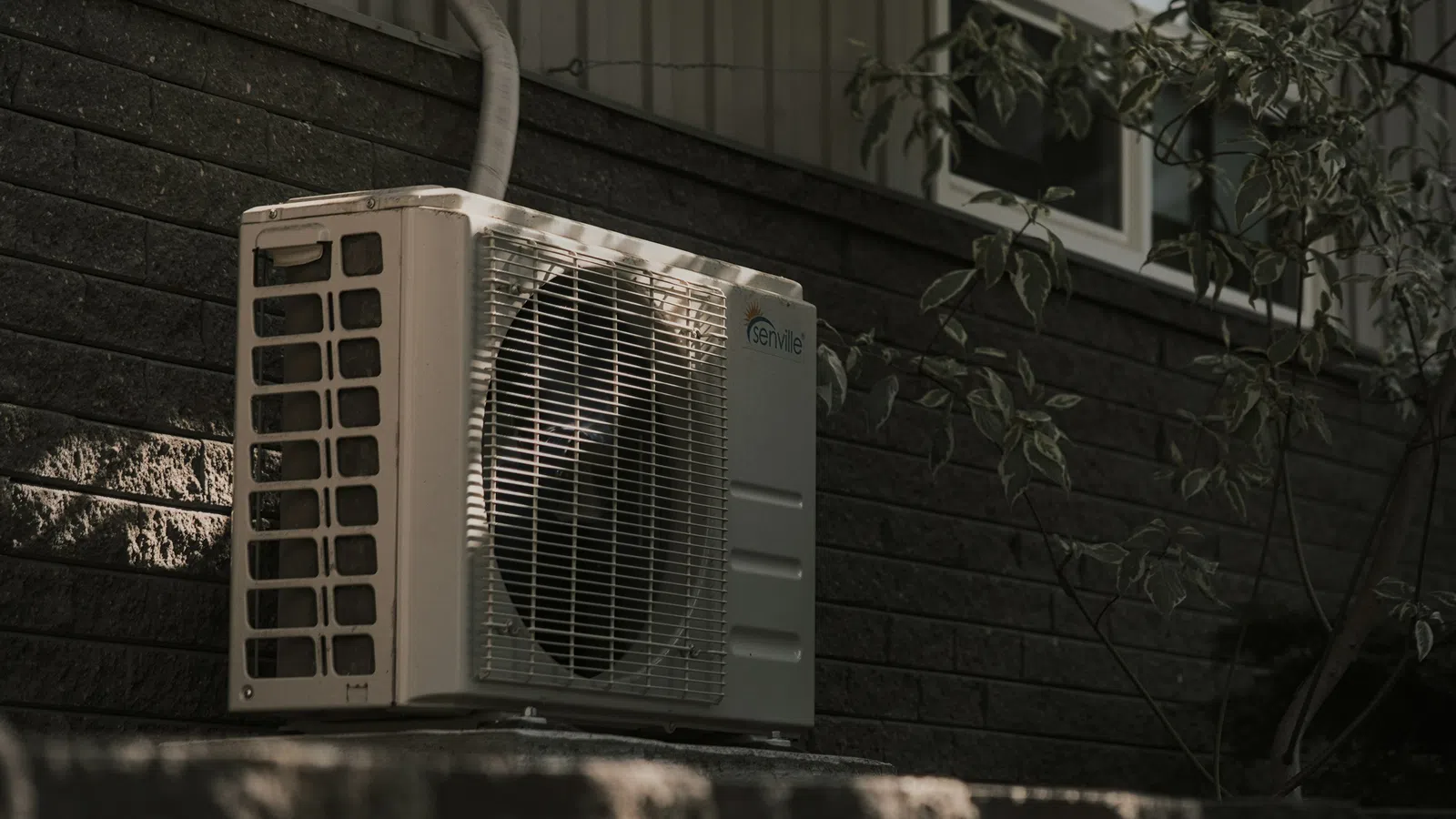
Why does my heat pump run all the time in winter? A heat pump delivers a steady stream of mildly warm air rather than short bursts of very hot air, so it naturally runs longer than a furnace. But if it runs nonstop, can't reach the thermostat setting, or keeps switching to backup heat, the house is often losing heat faster than the system can replace it. Insulation and air sealing slow that heat loss
Heat pumps are everywhere in Louisville. Plenty of homes in Fern Creek, Okolona, Jeffersontown and across Southern Indiana heat with one, and a lot of homeowners switched from gas furnaces in the last few years. They are an efficient way to heat and cool a home in our climate.
But when the first real cold snap rolls through in December or January, we start hearing the same questions. Why is it running all day? Why does the air from the vents feel lukewarm? Why did the electric bill jump so much? Often the answer is not the heat pump at all. It is the house around it.
How is heating with a heat pump different from a furnace?
A gas furnace burns fuel and pushes out very hot air in short bursts. You feel a blast of heat from the vent, the house warms up quickly, and then the furnace shuts off for a while.
A heat pump works differently. It moves heat from the outdoor air into your home, even when it is cold outside. The air coming out of the vents is warm but not hot, so it can feel cool on your hand compared with a furnace. To make up for that, a heat pump runs longer, steadier cycles.
That is normal. What is not normal is a heat pump that never shuts off, can't hold the set temperature, or leans heavily on backup heat.
What is backup heat, and why does it raise your electric bill?
Most heat pumps in Louisville have a backup or auxiliary heat source, often electric heat strips inside the indoor unit. When the heat pump alone can't keep up, the backup heat kicks in to help.
Electric resistance heat works, but it uses much more electricity than the heat pump itself. If your thermostat shows "aux heat" or "emergency heat" a lot during cold weather, that can explain a big jump on your LG&E bill.
The less heat your house loses, the less often the backup heat needs to come on. That is where insulation and air sealing come in.
Why does insulation matter more with a heat pump?
Because a heat pump works best when the house holds onto the heat it delivers. Since the air coming from the vents is only moderately warm, the system depends on the house not leaking that heat away as fast as it arrives.
In a well-insulated, well-sealed home, a heat pump can keep up comfortably through most of a Louisville winter. In a home with empty walls, a thin attic and lots of air leaks, the heat pump is fighting a losing battle. It runs and runs, the backup heat comes on, and the rooms along outside walls still feel chilly.
USA Insulation estimates that about 35 percent of a home's heat loss happens through the walls, about 25 percent through the attic and about 15 percent through the basement or floor. When those areas are under-insulated, a heat pump has to work much harder to replace what is lost.
Signs your house, not your heat pump, is the problem
Your HVAC technician can tell you if the heat pump itself needs repair. But if the system checks out and you still have these problems, look at the house:
- Rooms along outside walls stay colder than inner rooms. This often points to empty or thin wall insulation.
- Exterior walls feel cold to the touch in winter. A well-insulated wall should feel close to room temperature.
- Drafts near outlets, baseboards and the attic hatch. These are air leaks pulling cold air in.
- The upstairs is hot in summer and cold in winter. This often points to the attic.
- The heat pump ran fine in a previous home but struggles in this one. Older Louisville homes often have much less insulation than newer ones.
- Backup heat runs often even on moderately cold days. The house may be losing heat faster than the heat pump can supply it.
Which upgrades help a heat pump the most?
Every home is different, but these are the upgrades we look at first for Louisville heat pump homes:
- Exterior wall insulation. Many homes built before the 1980s have walls with little or nothing in them. Injection foam fills existing wall cavities from the outside through small access holes, so there is no need to remove drywall or plaster.
- Attic insulation. Kentucky is in climate zone 4. ENERGY STAR recommends about R-60 for an attic with no insulation and R-49 when adding to an attic that already has 3 to 4 inches.
- Air sealing. Sealing gaps around lights, pipes, wiring and the attic hatch keeps warm air from escaping into the attic before the insulation can do its job.
Doing all three together usually gives the biggest improvement, but your estimator can help you decide what to do first if you want to spread the work out.
Can better insulation help a heat pump in summer too?
Yes. A heat pump is also your air conditioner. Louisville summers are hot and humid, and a poorly insulated attic or empty walls let heat pour in all afternoon.
With better insulation and sealing, the system can cool the house more evenly and run steadier cycles. Many homeowners also notice the house feels less muggy, since the system is not fighting as much outside air coming in through leaks.
Should you upgrade your heat pump or your insulation first?
If your heat pump is old or failing, talk with your HVAC contractor about replacement. But if you are thinking about a new system because the house never feels warm, consider insulation first.
A house that loses less heat may be comfortable with the system you already have. And if you do replace the heat pump later, a better-insulated home may need a smaller system, which can cost less upfront. Your HVAC contractor can tell you how insulation changes the sizing for your home.
How much can insulation lower heating and cooling costs?
ENERGY STAR estimates that homeowners save an average of 15 percent on heating and cooling costs by air sealing and adding insulation. Older, under-insulated homes often see more. Every house is different, so we will not promise you a specific number.
For heat pump homes, a big part of the benefit is less time spent on backup heat during cold snaps, along with more even temperatures from room to room.
What does a free insulation inspection look for in a heat pump home?
During a free inspection, our Louisville team checks your attic depth and coverage, looks for air leaks around lights, pipes and the attic hatch, and checks whether your exterior walls have insulation, usually by looking behind an outlet cover on an outside wall. We also look at the basement or crawl space.
You get plain-language recommendations and a written estimate with no obligation. If you have notes on which rooms are coldest or how often the backup heat runs, bring them. They help us see the full picture.
Quick answers for Louisville homeowners
Is it normal for a heat pump to run a long time? Yes. Heat pumps run longer, steadier cycles than furnaces. It becomes a concern when it never shuts off or relies heavily on backup heat.
Why does the air from my heat pump feel cool? Heat pump air is warm but not as hot as furnace air, so it can feel cool on your hand. That is normal.
Will insulation stop my backup heat from running? It can reduce how often it runs by slowing heat loss. Very cold nights may still call for it.
Do you work on heat pumps? No. We focus on insulation and air sealing. For repairs or replacement, talk with an HVAC contractor.
Do you serve Southern Indiana? Yes. USA Insulation of Louisville serves Louisville and nearby Kentucky communities, plus Jeffersonville, New Albany, Clarksville, Charlestown and Lanesville.
What is the next step?
If your heat pump is running nonstop and the house still feels cold, let us check what is happening behind your walls and above your ceiling. Request a free inspection from USA Insulation of Louisville, and we will give you a clear written estimate with no pressure. Financing is available through our lending partners.